Uncategorized, Spices

Garam Masala: 5 Easy Restaurant-Style Recipes at Home

5 Easy Restaurant-Style Recipes You Can Make at Home Using Garam Masala

Introduction

There is a particular magic to restaurant food — that deep, smoky aroma, the glossy gravy, the way the spices seem to hit every part of your tongue at once. Most home cooks assume it takes a commercial kitchen to pull that off. It does not. The gap between your home cooking and your favourite dhaba’s signature dish is mostly technique — and one spice blend that belongs in every Indian kitchen: garam masala.

In this blog, we are walking you through 3 iconic restaurant-style recipes at home — paneer butter masala, dal makhani, and veg kadai masala — along with the key techniques, spice tips, and finishing tricks that make all the difference. If you follow these steps, your family will be asking which restaurant delivered.

What Makes a Dish "Restaurant-Style"?

Walk into any good Indian restaurant kitchen, and you will notice a few things immediately: the onion-tomato base is always cooked far longer than most people do at home, the spices go in at precise stages, and almost every dish finishes with a knob of real butter and a pinch of kasuri methi.

Three things separate restaurant cooking from home cooking:

  • Bhunao (high-heat sautéing): Chefs cook their masala base hard and fast, stirring constantly until the oil visibly separates. This concentrates the flavour and eliminates the raw smell of spices.
  • Spice layering: Whole spices bloom in hot oil first, ground spices go into the cooked masala base, and finishing spices — especially garam masala — go in last. Each stage has a purpose.
  • Butter and cream as a finish, not as a cooking medium: Adding cold butter and fresh cream at the very end, off or on the lowest heat, gives gravies their signature gloss and body.

Master these three habits, and every curry you cook will taste markedly better.

Why Garam Masala Is the Heart of Indian Cooking

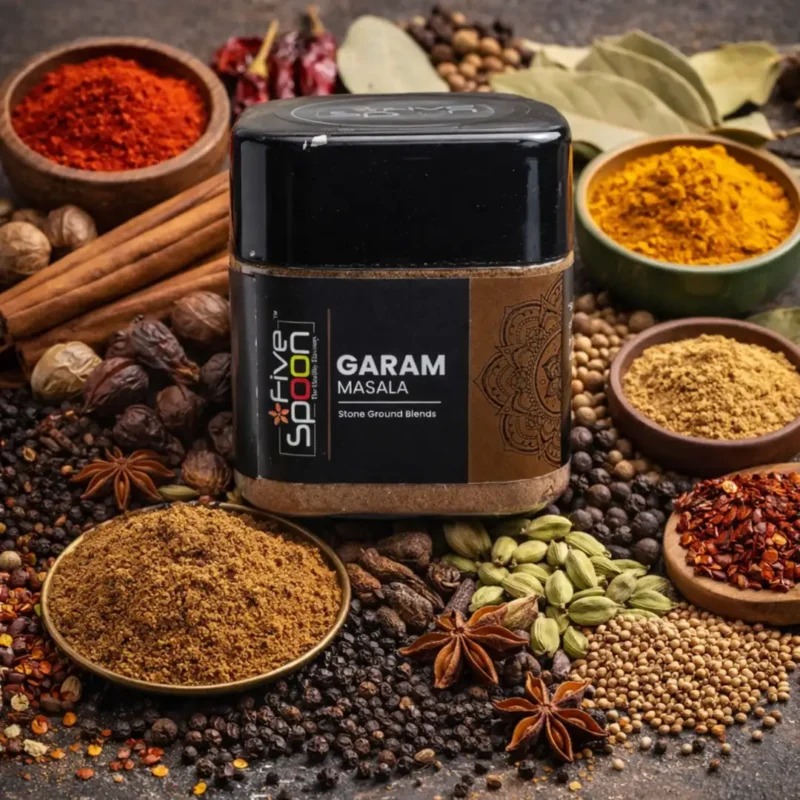
Garam masala is not a single spice — it is a symphony. Cloves, cinnamon, cardamom, black pepper, cumin, and nutmeg come together to create warmth, depth, and an aroma that no individual spice can produce alone. But most home cooks add it too early. Garam masala is a finishing spice. Add it in the last two minutes of cooking, or off the flame entirely, and you preserve the top-note aromas that make a dish smell like it just arrived from a restaurant kitchen. Add it at the start, and those same aromatics burn away into bitterness.

Beyond flavour, the spices in a good organic garam masala carry real Ayurvedic value — they support digestion, reduce inflammation, and warm the body from within. Using FiveSpoon’s organic garam masala means you get all of that without any pesticide residue or artificial filler.

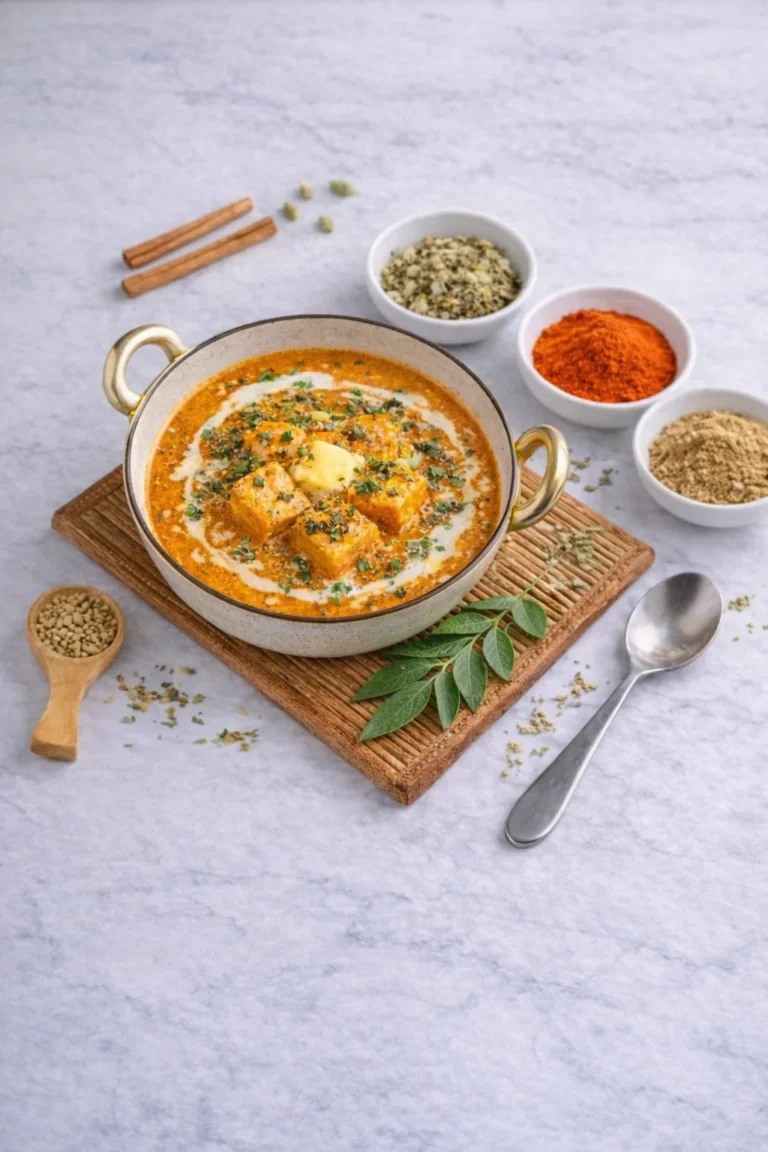
Recipe 1: Restaurant-Style Paneer Butter Masala

Ingredients

  • 250g paneer, cubed
  • 2 large onions, roughly chopped
  • 3 tomatoes + 10 cashews (soaked), blended smooth
  • 2 tbsp butter + 1 tbsp finishing butter
  • 1 tsp ginger-garlic paste
  • 1/2 tsp red chilli powder, 1 tsp coriander powder, 1/4 tsp turmeric
  • 1/2 tsp garam masala (added last)
  • 3 tbsp fresh cream, 1 tsp kasuri methi (crushed), salt to taste

Method

  1. Cook onions in oil on medium heat until deep golden. Add tomatoes and cashews, cook until dry, then blend to a completely smooth paste.
  2. In the same pan, heat 2 tbsp butter. Cook the ginger-garlic paste for 60 seconds. Add chilli powder, turmeric, and coriander powder, stir for 30 seconds.
  3. Add the blended paste. Cook on medium-high, stirring constantly, for 8–10 minutes until oil separates. This bhunao stage is non-negotiable.
  4. Add 1/2 cup water, bring to a simmer. Add paneer and cook for 5 minutes.
  5. Reduce heat. Stir in cream, crushed kasuri methi, and garam masala. Add finishing butter. Cover and rest 5 minutes before serving.

Pro tip: Lightly pan-fry the paneer cubes in butter before adding them — it adds a golden crust and prevents them from crumbling in the gravy.

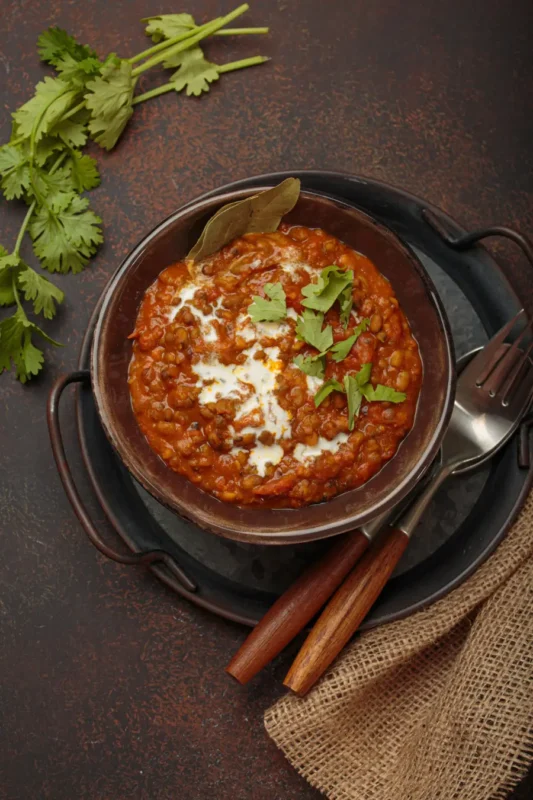
Recipe 2: Dal Makhani — Slow-Cooked & Restaurant Rich

Ingredients

  • 1 cup whole black urad dal + 1/4 cup rajma, soaked overnight
  • 3 tbsp butter + 4 tbsp fresh cream
  • 1 large onion (finely chopped), 2 tsp ginger-garlic paste
  • 2 tomatoes, pureed
  • 1 tsp red chilli powder, 1 tsp coriander powder, 1/4 tsp turmeric
  • 1/2 tsp garam masala (added last), 1 tsp kasuri methi, salt to taste

Method

dal makhani restaurant-style recipes at home fivespoon
  1. Pressure cook soaked dal and rajma with salt for 6–8 whistles until completely soft — the lentils should mash between your fingers effortlessly.
  2. Cook onions in butter and oil until deeply caramelised, about 15 minutes. Add ginger-garlic paste, cook 2 minutes.
  3. Add tomato puree and all ground spices except garam masala. Cook hard for 12–15 minutes until butter separates.
  4. Add cooked dal to the masala. Mash roughly 1/4 of the dal against the pot to naturally thicken the gravy.
  5. Simmer on the lowest flame for at least 30 minutes — longer is better. Stir in cream, kasuri methi, and garam masala in the last 5 minutes. Finish with butter.

Pro tip: Make this the night before. Dal makhani is one of the very few dishes that tastes significantly better the next day as the spices settle and deepen.

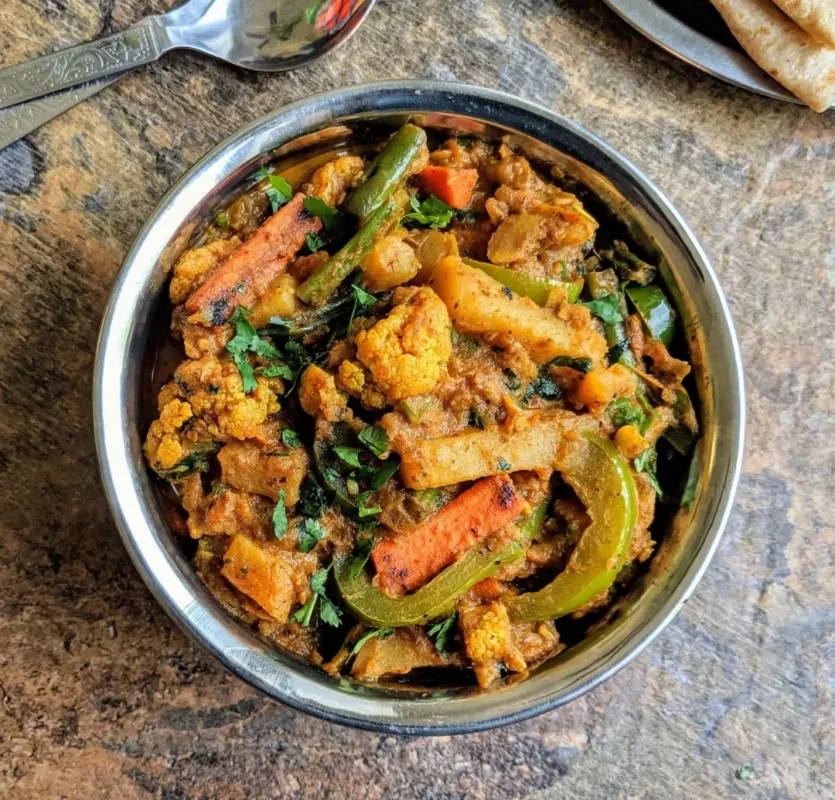
Recipe 3: Veg Kadai Masala — Bold, Spicy & Full of Texture

Ingredients

  • 1 capsicum + 1 onion, cubed (layers separated)
  • 1 cup paneer or mixed vegetables (baby corn, carrot, beans)
  • 2 tomatoes, pureed
  • 1 tbsp oil + 1 tbsp butter
  • 2 dried red chillies, 1.5 tsp freshly ground coriander, 1/2 tsp cumin seeds
  • 1/2 tsp red chilli powder, 1/4 tsp turmeric, 1/4 tsp garam masala
  • Salt to taste, fresh coriander and ginger julienne for garnish

Method

  1. Heat oil in a kadai on high. Add cumin seeds and dried red chillies until they crackle. Add ground coriander, stir 20 seconds.
  2. Add ginger-garlic paste for 60 seconds. Add tomato puree, chilli powder, turmeric, and salt. Cook 8–10 minutes until oil separates.
  3. Add capsicum and onion cubes. Toss on high heat for 3–4 minutes — you want slight char on the edges. This is what defines kadai masala.
  4. Add vegetables or paneer. Toss together for 3–4 more minutes. Reduce heat, add butter and garam masala. Garnish and serve immediately.

Pro tip: Grind coriander seeds fresh for this recipe. The aroma and punch of freshly cracked coriander is completely different from the pre-ground version, and in this dish, it is the star.

Pro Tips to Get That Restaurant Taste at Home

  • Always use kasuri methi as a finisher — crush it between your palms first to release the oils. It is the single most underused ingredient in home Indian cooking.
  • Finishing butter is not decoration. Add a small knob of oil to every curry, every time.
  • Cream should never boil. Stir it in at the lowest heat setting to prevent it from splitting.
  • Layer your spices: whole spices in hot oil, ground spices into cooked masala, and garam masala absolutely last.
  • Cook your onion-tomato base longer than you think you need to. When the oil separates, and the masala looks almost dry, you are ready for the next step — not before.

Conclusion

Restaurant-style recipes at home are not complicated — they are just intentional. The same ingredients, used with a little more patience and a little more understanding of technique, produce a completely different result. The three easy Indian curry recipes in this blog — paneer butter masala, dal makhani, and veg kadai masala — are proof of that.

Pick one, take your time with the masala, add your garam masala last, and finish with butter. That is the formula. Everything else is just cooking.

FAQs

When should you add garam masala to a curry?

Always at the end — in the final 1–2 minutes or off the heat entirely. Adding it too early burns away its aromatic oils and leaves a flat, slightly bitter taste instead of the warm, fragrant finish it is meant to give.

Can garam masala be used daily?

Yes. In typical cooking quantities (1/4 to 1/2 tsp per dish), it is perfectly safe and beneficial for daily use. The spices in a balanced blend support digestion and have natural anti-inflammatory properties. Choosing an organic garam masala ensures you are not adding any chemical residue to your daily meals.

What are the best dishes to use garam masala in?

Beyond curries, garam masala works well in biryani, dal tadka, chana masala, egg preparations, and even marinades for grilled or tandoori dishes. As a rule, any dish with a cooked onion-tomato base benefits from a small pinch of garam masala stirred in at the finish.


Leave a Reply

Your email address will not be published. Required fields are marked *